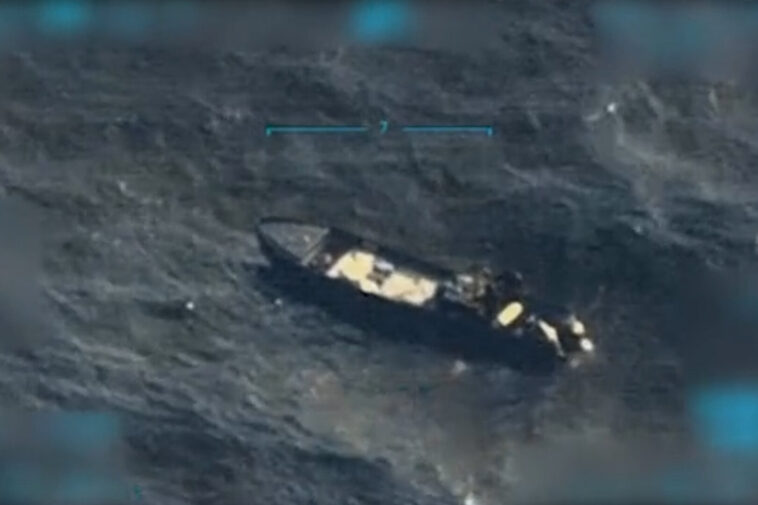

US Military Interventions in Venezuelan Waters: A Closer Look at the Controversial Tactics
The recent U.S. military strikes on vessels operating near Venezuela have ignited a heated debate among policymakers, legal experts, and international observers. Critics have condemned these actions as reckless and overly aggressive, raising serious questions about how the United States enforces its anti-drug and counter-trafficking measures abroad. This opinion editorial digs into the issue by examining the background of the operations, assessing the legal and ethical dimensions, and exploring what the future may hold for U.S. policy in this arena.
Historical Context and US Anti-Drug Interventions
For decades, the United States has employed a robust strategy to impede the flow of narcotics across its borders. Efforts to target drug trafficking in the Caribbean Sea and the Pacific have pushed the military and law enforcement agencies to adopt measures that are both forceful and, at times, provocative. This focus has given rise to several boat strikes carried out under the banner of counter-narcotics operations. However, the tactics used have also sparked heated controversy, with concerns centering around their legal basis, proportionality, and the potential for civilian casualties.
Understanding these events involves looking at both the big picture and the smaller twists and turns—the tricky parts that have led to a current where the rules of engagement seem to blur lines between lawful intervention and what some call “sanctioned murder.” The operations, which targeted vessels suspected of drug trafficking, are now being scrutinized for their real impact on innocent lives and their alignment with international law.
Key points regarding this backdrop include:
- Historical Focus: U.S. counter-narcotics measures in Latin America have a long history, often beginning as efforts to disrupt complex smuggling networks.
- Tactical Shifts: Recent operations involve both military and law enforcement agencies, which sometimes complicates accountability and oversight.
- Legal Justifications: The U.S. government has argued for its actions as necessary responses to transnational crime; however, critics worry these measures may overstep legal boundaries.
Senatorial Critique: Allegations of Sanctioned Murder
Perhaps the most provocative moment in the debate came when Senator Ruben Gallegos of Arizona unequivocally labeled the boat strikes as “sanctioned murder.” In an interview with NBC News, the senator argued that if suspected traffickers are violating the law, then it makes more sense to involve the Coast Guard rather than deploying military force. This perspective not only critiques the President’s approach but also calls into question the criteria used to decide when military intervention is appropriate.
Gallegos’s stance is critical because it examines the underlying assumptions regarding what constitutes an act of war versus a law enforcement action. His comments invite us to consider the following questions:
- Appropriateness of Force: Is it acceptable to use lethal military force in operations that might otherwise be handled by civilian agencies?
- Policy Clarity: Are the decisions and justifications for these strikes clear enough from a legal perspective to avoid the trap of unintended consequences?
- Oversight and Accountability: What systems are currently in place to ensure that actions taken do not cross ethical or legal lines?
Gallegos’s remarks touch upon the nerve-racking challenge of figuring a path forward in an environment where policy decisions could have far-reaching consequences. His blunt language underscores a broader discontent among some political leaders and human rights advocates who are deeply troubled by what they see as a dangerous blurring of lines between controlled interdiction and armed aggression.
International Reactions and Diplomatic Fallout
The fallout from these strikes has been pronounced not only in domestic politics but also on the international stage. The Venezuelan government has harshly criticized the U.S. actions, describing them as provocative and indicative of a broader strategy of militarization. President Nicolas Maduro of Venezuela, for example, accused the United States of inventing a never-ending war, striking a tone that resonates with other Latin American nations who have long been sensitive to U.S. military interventions in the region.
Several Latin American human rights organizations have joined the chorus of condemnation, insisting that the use of lethal force in circumstances that remain murky at best is both dangerous and counterproductive. These criticisms have contributed to a tense atmosphere, creating a scenario in which diplomatic channels are strained and where debates over sovereignty and international law become even more pressing.
Some of the key international concerns include:
- Respect for Sovereignty: Questions have been raised about how such military operations affect the sovereignty of nations in the region.
- Rules of Engagement: There is widespread worry over whether U.S. commanders are adhering to established rules designed to protect civilian lives.
- Potential for Escalation: Diplomatic tensions could intensify, pushing nations toward an even more frenetic path of military posturing and countermeasures.
When nations from across Latin America weigh in on these issues, the situation becomes complicated, laden with the kind of twisting details and subtle parts that make international law a challenging field to navigate.
Legal Framework and the Rules of Engagement
The legality of the U.S. military strikes has been a focal point of intense debate. At the heart of the matter is whether the actions taken, particularly under the belief that they disrupt drug trafficking, align with both domestic law and international legal standards. Several key elements contribute to this discussion:
| Legal Issue | Discussion Point |
|---|---|
| Authority | The U.S. government argues that military intervention falls within its mandate to secure national borders and counter transnational crime. Critics assert that such authority is being stretched beyond its intended limits. |
| Proportionality | There is an ongoing debate about whether the level of force used is commensurate with the threat, with some suggesting that lethal action may not always be the best or only option. |
| Due Process | Laws protecting individual rights have been spotlighted, particularly when it comes to the need for due process before lethal force is employed. |
| Civilian Protections | Reports indicate that not all those affected by the strikes may have been involved in illegal activity, heightening concerns about inadvertent harm to innocent people. |
The questions raised in this table emphasize the fine points of legal responsibility and accountability. U.S. authorities maintain that these operations are critical in the fight against drug trafficking—a view that is supported by statistics demonstrating significant drug interdiction successes. However, opponents of the policy urge a closer look at collateral damage and challenge the assumption that such tactics are the best way to manage the dangerous parts of transnational crime that plague the region.
Efforts to enforce maritime security must weigh the balance between assertive tactics and ensuring that the actions remain within both legal and ethical bounds. The tug-of-war between state power and individual rights is complicated by the ever-present risk of escalation, making it a matter full of problems and loaded with tension.
Assessing the Ethical Dilemma: Is Lethal Force Justified?
The ethical dimensions of these operations have spurred diverse opinions among legal scholars and human rights advocates alike. On one side of the debate is the argument that the use of military force to disrupt drug trafficking is not only legal under certain conditions but also essential to protect American citizens from the fallout of transnational crime. Conversely, critics claim that employing such drastic measures without sufficient oversight risks undermining the very values the United States purports to uphold.
Ethical considerations often include factors such as the proportionality of the response and whether alternative, less aggressive approaches might be more appropriate. These considerations are even more crucial when actions taken abroad can have ripple effects at home and in international relations.
An ethical review of the situation brings up several pressing points:
- Lethal Force vs. Non-Lethal Alternatives: Could the Coast Guard or other non-military agencies manage these situations without resorting to deadly force?
- Accountability and Transparency: How can policymakers ensure that military operations are transparent and subject to oversight to prevent abuses?
- International Norms: What message does the use of heavy military tactics send to other countries regarding respect for international law and human rights?
These questions speak to the heart of a nerve-racking dilemma—balancing an aggressive stance on crime with the ethical imperatives of preserving life and adhering to a rule-of-law framework. The debate remains on edge, with strong opinions on both sides challenging the reportedly clear-cut narrative offered by proponents of the strikes.
Understanding the Strategic Objectives Behind the Strikes
Supporters of the interventions emphasize a super important point: the primary aim of these strikes is to dismantle the network that enables drug trafficking into the United States. By targeting the vessels thought to be transporting narcotics, U.S. authorities hope to interrupt the logistical chain that fuels domestic drug problems and related crime.
Proponents argue that such missions are a necessary evil in a region where the influence of criminal organizations is pervasive. They contend that the operations have been meticulously planned, ensuring that a focus on suspected traffickers ultimately protects American society, even if it means adopting a forceful approach abroad.
Key operational objectives include:
- Disrupting Smuggling Routes: Eliminating or significantly hindering the pathways through which drugs are smuggled into U.S. territory.
- Deterrence: Sending a strong message to transnational criminal organizations that the U.S. government is willing to use significant force to combat their operations.
- Protecting National Security: Framing these operations as necessary to uphold the integrity and safety of the nation in the face of organized crime.
While the stated objectives are super important from a national security standpoint, they come with a host of tricky parts and tangled issues that need to be recognized. The use of lethal force in the pursuit of these goals demands that policymakers carefully balance strategic benefits against the risk of unintended repercussions, both abroad and at home.
Voices from the Field: Perspectives from American Lawmakers and International Leaders
It is instructive to consider various points of view, as these provide insight into how different stakeholders interpret the same events. U.S. lawmakers such as Senator Gallegos are highly critical, while international leaders like Venezuelan President Nicolas Maduro and Colombian officials have managed to turn these events into emblematic symbols of broader geopolitical tensions.
Here are some key viewpoints:
- Senator Gallegos’s Perspective: He has argued passionately on national platforms that the military strikes represent an abuse of power. Gallegos contends that if there is suspicion of illegal activity, a measured response through the Coast Guard would be more appropriate than an all-out military operation.
- Venezuelan Leadership’s Viewpoint: President Maduro and his government label these actions as aggressive and part of a wider strategy of militarization that threatens regional stability. Maduro’s rhetoric positions the strikes as an example of American imperial overreach.
- Colombian Voices: Certain Colombian officials have pointed to the inconsistent application of these policies, with some even suggesting that peaceful expressions of dissent might be misinterpreted as signs of criminal activity.
These differing perspectives underscore the inherent complexity of the situation. They highlight the subtle details and little distinctions that can significantly alter the narrative. While some see these actions as necessary for national security, others view them as a reckless exercise of military authority that jeopardizes diplomatic relations and civilian safety.
Challenges in Accountability and Oversight
A major point of contention is the lack of robust oversight and transparency regarding the use of lethal force in these operations. Critics argue that without a clear, independent method of review, it becomes difficult to assess whether such actions are truly in line with U.S. law and international legal standards. This is especially true when there are allegations of civilian casualties and inconsistent reporting on who the real targets are.
Several issues complicate accountability:
- Opaque Decision-Making Process: Critics argue that much of the decision-making happens behind closed doors, which makes it challenging for elected representatives and the public to understand the rationale behind the strikes.
- Limited Oversight: Congressional oversight into these operations has been sporadic and is complicated by the dual role of military and law enforcement agencies in executing these missions.
- International Legal Scrutiny: Independent international human rights organizations have called for an inquiry into these actions, insisting that the potential for wrongful death and misuse of force needs a thorough investigation.
These concerns have led to increasing calls in Congress for measures that would require more detailed reporting and tighter control over the conditions under which lethal force can be used in anti-drug missions. Lawmakers from both parties have stated that a more transparent system would help all stakeholders better understand the fine points of these policies and ensure that their implementation does not run afoul of either domestic or international legal standards.
Legal Analysis: The Fine Points of Maritime Law and International Conventions
The legal debate surrounding these marine operations involves a host of competing interpretations of maritime law, sovereignty, and the rules of war. Legal experts have pointed out that the use of military force in what is essentially a law enforcement operation raises several critical issues. For one, international law generally mandates that any use of lethal force must be strictly proportionate to the threat posed.
Some key legal questions include:
- Jurisdiction: Is the U.S. acting within its rightful jurisdiction when it conducts these strikes in international waters, particularly if these waters are close to sovereign national territories?
- Application of Force: Do the actions taken meet the legal threshold for what constitutes self-defense or preemptive action, or have they crossed the line into unwarranted aggression?
- Protection of Non-Combatants: Are there adequate measures in place to protect innocent civilians who may be caught in the crossfire, and is there a reliable mechanism for identifying combatants versus non-combatants?
These tricky legal bits are compounded by the fact that rules of engagement in maritime environments tend to be less clear-cut than those applicable on land. Even when authorities argue that these waters are used by drug traffickers as transit routes, legal experts remain divided on whether lethal force is a justified response. The secretive nature of some of these operations only adds to the confusion, making it hard to determine whether the actions taken are defendable under international law.
Operational Oversight: Recommendations for Greater Transparency
Given the controversies highlighted above, many analysts agree that it is super important to strengthen the oversight and accountability mechanisms governing these operations. By instituting more transparent practices, the government can help restore public confidence and ensure that operations are conducted within the framework of both domestic law and international legal obligations.
Several recommendations have emerged:
- Enhanced Congressional Oversight: Regular reports and briefings should be mandated to keep legislators informed about the details and justifications of each operation.
- Independent Investigations: Establishing a non-partisan body to review the outcomes of these interventions could help clarify whether the use of force was both necessary and proportionate.
- Clearer Rules of Engagement: Providing unambiguous guidelines that delineate when and how lethal force is to be used could reduce the risk of misinterpretation or overreach in future operations.
Implementing these measures would not only help address the current criticisms but also pave the way for more responsible and predictable policy implementation in high-stakes environments. Rethinking oversight in this context is less about correcting past mistakes and more about building a system that can adapt to future challenges without compromising either national security or human rights.
The Role of Media and Public Discourse in Shaping Policy
Public opinion plays a significant role in how government policies are framed and ultimately executed. The media, in particular, has been instrumental in highlighting both the successes and the pitfalls of the U.S. military’s approach to tackling drug trafficking. Investigative journalism, opinion pieces, and balanced reportage have all contributed to shaping a multifaceted debate that touches upon the delicate balance between national security and ethical governance.
Several factors underscore the importance of active media engagement in this debate:
- Accountability: Media scrutiny ensures that decision-makers remain answerable to the public for their choices, particularly when those choices have irreversible consequences.
- Informing the Public: Through detailed reporting, the media helps dissect the confusing bits and little twists of policy decisions, making them more accessible to the average citizen.
- Driving Reform: A well-informed public is more likely to support necessary reforms and push for a system that is both transparent and just.
In an era where information flows rapidly across various platforms, it is essential that media outlets continue to provide comprehensive coverage of these operations. This not only fuels healthy debate but also ensures that governmental authorities remain under constant public scrutiny—an important safeguard in any democratic society.
Comparative Perspectives: How Other Nations Manage Cross-Border Operations
The U.S. is not alone in grappling with the challenges of enforcing drug interdiction policies in international waters. Many other countries have similar programs and have faced their own sets of twisted issues and complicated pieces of legal dilemmas. Comparing these international practices offers valuable insights into alternative methods and highlights areas for potential improvement.
Some examples of comparative practices include:
- Cooperative Enforcement Agreements: Several nations have successfully implemented joint operations that involve close coordination between military and local law enforcement agencies to ensure that responses are proportionate and well-regulated.
- Use of Non-Lethal Methods: In some regions, authorities have increasingly adopted non-lethal techniques—such as electronic surveillance and interdiction measures—to disrupt trafficking networks without resorting to deadly force.
- Regional Oversight Mechanisms: International bodies and regional organizations occasionally facilitate oversight to ensure that countries remain compliant with both domestic regulations and international law.
Learning from these examples allows policymakers to take a closer look at how similar challenges are tackled elsewhere and to potentially integrate best practices that could reduce the tension and risk associated with unilateral lethal operations. By studying how other nations figure a path through the maze of cross-border operations, U.S. authorities might be able to fine-tune tactics to avoid unnecessary escalation while still protecting national security.
Possible Routes for Future Policy Evolution
Looking ahead, the debate over U.S. strikes in Venezuelan waters is unlikely to subside anytime soon. Rather, it is prompting a broader rethinking of how America manages its counter-narcotics efforts in an increasingly complex international landscape. The future may hold several avenues for policy evolution, including changes to the rules of engagement, the introduction of more stringent oversight, and even shifts in the overall strategy toward drug trafficking interdiction.
Some potential routes include:
- Revisiting the Rules of Engagement: Policy makers might opt to redefine when military force is appropriate and clearly delineate the roles of different agencies involved, such as the Coast Guard and the Navy, in preventing unintended casualties.
- Implementing Technology-Driven Surveillance: Adoption of advanced surveillance tools could help target illicit activities with greater precision, thereby reducing the risk of collateral damage.
- Increased Diplomatic Engagement: Enhancing communication and cooperation with Latin American governments could pave the way for joint operations that share both the burden and the benefits of interdiction efforts.
- Stronger Legal Safeguards: Legislative reforms may focus on ensuring that any military intervention is accompanied by stringent legal scrutiny and review, reinforcing the accountability mechanisms that many critics demand.
These potential policy shifts reflect the need to address both the big strategic picture and the smaller, nerve-racking details involved in deploying force overseas. As the debate evolves, it is critical for legislators, military leaders, and international partners to work together in order to develop a comprehensive approach that does not sacrifice ethical governance for short-term tactical gains.
Embracing Transparency and Reform in Foreign Policy
Transparency and the willingness to reform are cornerstones of an effective and fair foreign policy. The current controversies surrounding U.S. strikes in Venezuelan waters have highlighted several areas where greater clarity and accountability would be immensely beneficial. For the sake of public trust and international legitimacy, it is absolutely essential that American officials commit to a process that includes:
- Open Communication: Regular, detailed briefings on military actions and their legal justifications should be provided to Congress and the public.
- Independent Review Panels: Establishing external oversight bodies that can review and assess the outcomes of military operations will help ensure that any errors are addressed and that lessons are learned.
- International Cooperation: Engaging with international partners and organizations to validate findings and share best practices would enhance accountability and build greater trust worldwide.
These measures, if properly implemented, can help transform an environment loaded with problems and on edge with tension into one where operations are both effective and ethically sound. Ensuring that every life impacted by such decisions—whether directly or indirectly—is given due consideration is not just about policy improvement; it is about upholding the values that are at the heart of a just society.
Balancing National Security with Human Rights: A Difficult Equation
At its core, the debate over U.S. military strikes in Venezuelan waters is emblematic of the broader challenge of attempting to balance the pursuit of national security with the protection of human rights and adherence to international law. While it is undeniable that drug trafficking poses significant risks not only to security but also to the social fabric of nations, the manner in which such threats are countered must be subject to rigorous scrutiny.
This balance is especially tricky when policies collide with ethical standard and legal norms. The fine details—those subtle parts that often go unexamined in public discourse—can have huge implications for how laws are interpreted and applied. As such, policymakers must be ready to reexamine both the goals and the methods of current counter-narcotics operations.
A balanced approach might include:
- Enhancing Intelligence Capabilities: Investing in non-invasive surveillance and intelligence gathering can help reduce reliance on brute force.
- Strengthening Diplomatic Channels: Working more closely with affected countries can ensure actions taken are in line with broader international objectives and do not undermine local sovereignty.
- Reassessing Use of Lethal Force: A thorough reassessment of when lethal force is truly the best option will help align actions more closely with both national interests and humanitarian principles.
In practice, this means that defense and law enforcement agencies must collaborate with legal experts, human rights advocates, and international bodies to create a framework that mitigates risk while still attuning to the need for robust national security. The challenge is undeniably intimidating and loaded with issues, but it is one that must be confronted if the U.S. is to maintain both the rule of law at home and respect for international legal norms abroad.
Conclusion: A Call for Balanced, Accountable, and Transparent Policy
The recent U.S. military strikes on Venezuelan vessels represent a microcosm of broader challenges in international security and law enforcement. They compel us to take a closer look at not only the immediate tactical objectives but also at the longer-term implications for legal processes, diplomatic relations, and ethical governance. Whether one sees these actions as a necessary evil in the fight against transnational crime or as a reckless overstep of military authority, it is clear that rethinking the approaches to such operations is essential.
In light of the heated debates—spanning from Senator Gallegos’s outspoken criticism to international condemnation—the need for improved oversight and accountability mechanisms has never been more apparent. Decision-makers at all levels must work through the tangled issues and challenging bits that complicate these operations in order to craft a policy that is both secure and just.
A few key takeaways for moving forward are:
- Enhanced Transparency: Open, regular reporting on operational decisions is critical to maintain public trust.
- Balanced Accountability: Implementing independent oversight mechanisms can help reassure both domestic and international audiences that the use of lethal force is truly justified.
- Strategic Collaboration: Greater cooperation with Latin American governments may pave the way for joint strategies that respect sovereignty while addressing the menace of drug trafficking.
Ultimately, the debate is not simply about defending or condemning current practices—it is about evolving our approach to national security so that it stands on a foundation of clear rules, ethical decision-making, and accountability. In a world where cross-border challenges are on the rise, finding your way through the maze of legal, ethical, and tactical dimensions is a task that will demand perseverance, clarity, and collaboration from all involved.
As we look to the future, it is critical that U.S. policymakers engage in honest, open dialogue about what kinds of measures are appropriate, and under which circumstances. Not only will this help in refining tactical approaches in high-stakes scenarios, but it will also ensure that America’s actions on the international stage reflect the core principles of justice and responsible governance. In doing so, the nation can hope to resolve the nerve-racking dilemmas posed by delinquent practices while still effectively fulfilling its promise to protect national security and uphold the rule of law.
Originally Post From https://www.newsweek.com/arizona-senator-venezuela-boat-strikes-sanctioned-murder-10940925
Read more about this topic at
Navigating the Complexities of Maritime Sanctions: A July …
US sanctions target vessel deliveries of oil to Houthis